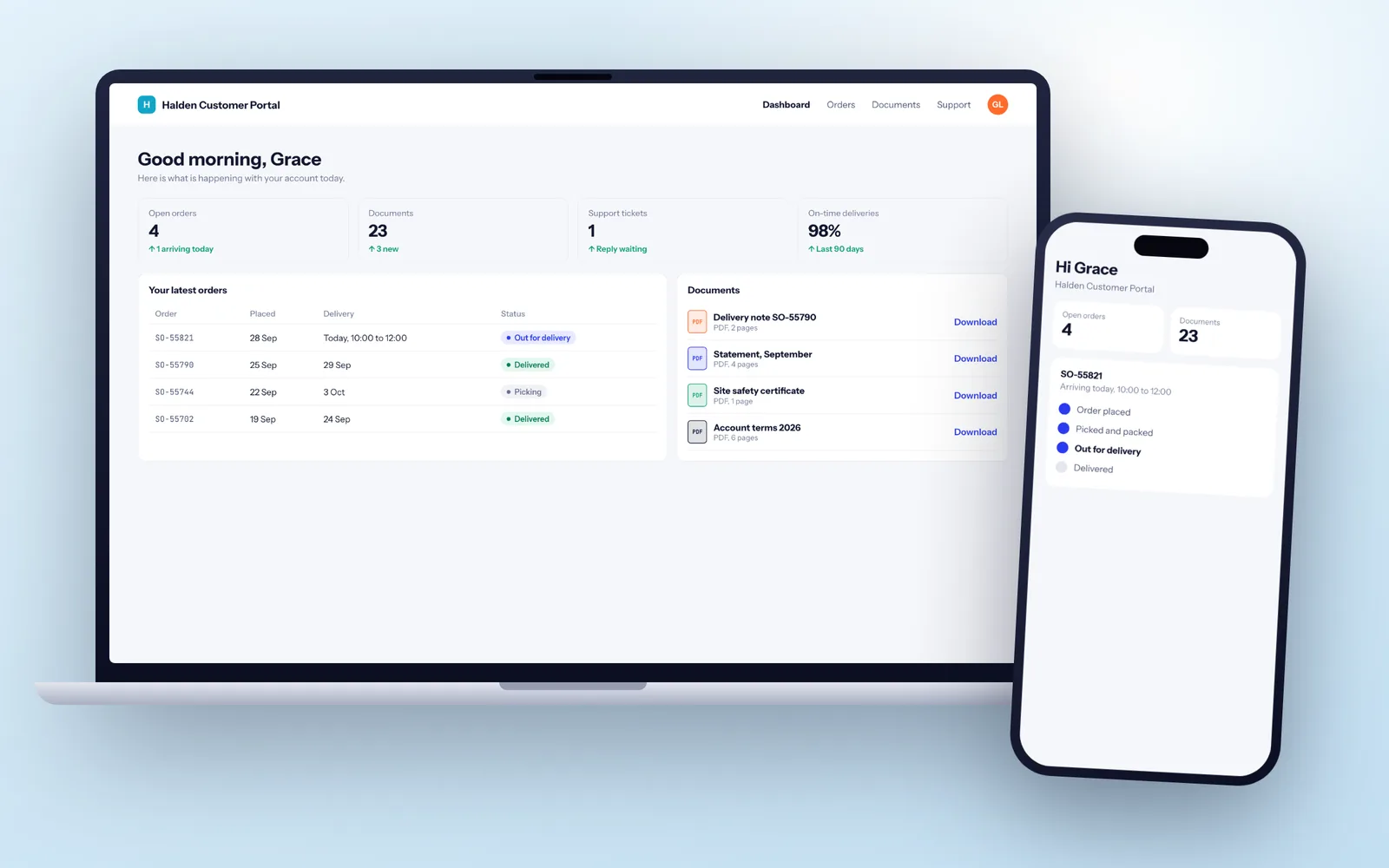
Fixology builds property management software around the agency CRM you already use: landlord and tenant portals, compliance trackers for certificates, deposits and licensing, Renters' Rights Act workflows, and integrations with Reapit, Alto, Fixflo and PayProp. A compliance tracker typically takes 6 to 10 weeks and a landlord and tenant portal 10 to 14 weeks. Block managers and build to rent operators can go further with a platform of their own, delivered in phases, with the code owned by you from day one.
The agency CRM is not the whole business
Agency CRMs such as Reapit, Alto, Jupix and Street are built to manage listings, applicants, viewings, offers and tenancies, and to push stock to Rightmove, Zoopla and OnTheMarket. Most agents also run Fixflo or a similar tool for repairs, Goodlord or a referencing service for move-ins, PayProp or the CRM's own module for client accounting, and email for everything else.
The friction lives between these tools. Landlords ring to ask for statements. Tenants report a leak by email, phone and WhatsApp on the same day. A negotiator re-enters a new landlord's details into three systems. Nobody is sure which spreadsheet holds the definitive list of gas certificate expiry dates. Those are the problems bespoke software fixes well, usually without touching the CRM itself.
Renters' Rights Act changes and what they mean for your systems
The Renters' Rights Act 2025 brought new rules for assured tenancies in the private rented sector in England from 1 May 2026. Section 21 "no fault" possession has gone, tenancies are periodic, rent increases follow a set annual process, and rental bidding is banned. Further measures, including a private rented sector database and a landlord ombudsman, are being introduced in later phases.
For an agent, that means changed tenancy records, new notice templates, different possession grounds to track, and rent review dates handled in a controlled way. Some CRMs updated quickly; others left agents with workarounds. A small bespoke layer can hold the new data, generate the right documents, and keep an audit trail of what was sent and when, which matters if a decision is ever challenged. We build the rules with your compliance adviser and make them easy to change as later phases arrive.
Deposits, certificates and the compliance calendar
Lettings compliance is mostly dates, and missed dates carry real penalties. A deposit for an assured shorthold tenancy has to be placed in a government-approved scheme within 30 days, with the prescribed information served on the tenant. Gas safety checks are annual, electrical installations need checking at least every five years, and many councils run selective or additional licensing schemes with their own renewal dates and conditions.
A compliance tracker pulls every property from your CRM, holds each certificate with its expiry date and the document itself, books contractors automatically ahead of renewal, and blocks a tenancy from going live if anything is missing. The dashboard tells a branch manager on Monday morning exactly which properties are at risk this month, and a director can see the same picture across every branch.
Portals that cut the phone calls
Landlords want to see their statements, certificates and maintenance jobs without phoning the branch. Tenants want to report a problem once, with photos, and see who is coming and when. A landlord and tenant portal gives each of them a login that shows only their own properties, fed live from your CRM and client accounting.
Done properly, the portal becomes part of your pitch to landlords rather than an admin tool. Agents competing on service against online-only rivals can show a prospective landlord exactly what they would see each month. Contractors can use the same portal to accept jobs, upload completion photos and close works orders, so the tenant sees progress without anyone in the office relaying messages.
Feeds, CRMs and connecting the pieces
Rightmove, Zoopla and OnTheMarket all accept listings through data feeds, and most agency CRMs already send them. Where we come in is the rest of the data: pulling viewings and offers into a reporting tool, syncing landlords and tenancies into a portal, posting contractor invoices into client accounting, or connecting a valuation lead form to the CRM so leads land in front of a valuer straight away.
Access varies by vendor. Reapit runs a developer platform called Foundations; other CRMs offer APIs that need the vendor's approval or a partner agreement. We check what your system allows during discovery and plan the integration once we know. If an integration is not possible, we say so before any build work starts.
Sales teams have their own version of this problem. National Trading Standards guidance expects listings to carry material information such as tenure, council tax band, utilities and known issues with the property. A vendor onboarding form that writes straight into the CRM gets listings live sooner and complete first time.
Block management and build to rent
Block managers and build to rent operators have requirements most agency CRMs were never designed for: service charge schedules and year-end accounts, reserve funds, leaseholder portals, Section 20 consultation for major works, resident amenity bookings, and a high volume of maintenance tickets across shared areas.
This is where a larger bespoke build can make sense, either as a bespoke CRM for leaseholders and residents or as a platform with its own accounting link to Xero or Sage. A hypothetical example: a block manager with 120 developments and 6,000 units, running a desktop package that is no longer developed, plus spreadsheets for every service charge schedule. Replacing that in phases, starting with the leaseholder portal and maintenance tickets, spreads the risk and gives residents something better within months.
Security, UK GDPR and client money controls
Property software holds names, addresses, bank details, identity documents and referencing results, so UK GDPR applies in full. We build with access restricted by role and branch, every change logged, documents stored encrypted in UK or EU regions, and retention rules that delete what you no longer need. Our security page sets out the detail.
Client money needs its own controls. Agents holding it must belong to a client money protection scheme and keep accurate records, so any software that touches client accounting gets separation of duties, approval steps for payments out, and reconciliation reports your auditor can follow. We integrate with PayProp or your CRM's accounting module rather than building ledgers from scratch.
Why agents and block managers choose Fixology
We aim to be the UK's leading property management software development company, and the test is simple: fewer phone calls, fewer missed certificates, and staff who trust the data. Every project starts with a discovery phase spent with negotiators, property managers and accounts, producing a specification and a phased plan. A senior UK team then builds in two-week sprints with a working demo on a test link, and portals launch to a pilot branch before the whole agency.
You own the code, the repository and the hosting from day one, and we support the system after launch as your processes and the law change. For many agents the right answer is a focused layer on top of a good CRM rather than a replacement, and our guide to bespoke versus off-the-shelf software explains how we make that call.